
Respiration
Respiration is the process of releasing energy from the breakdown of glucose. Respiration takes place in every living cell, all of the time and all cells need to respire in order to produce the energy that they require.
What is the energy used for?
The energy produced during respiration is used in many different ways, some examples of what it is used for are:
- Working your muscles
- Growth and repair of cells
- Building larger molecules from smaller ones i.e. proteins from amino acids
- Allowing chemical reactions to take place
- Absorbing molecules in active transport
- Keeping your body temperature constant
- Sending messages along nerves
Types of Respiration
There are two main types of respiration, aerobic and anaerobic we will look at each one of these in detail now.
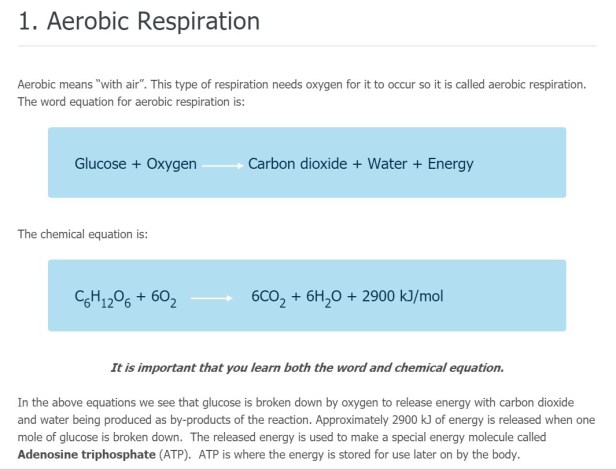
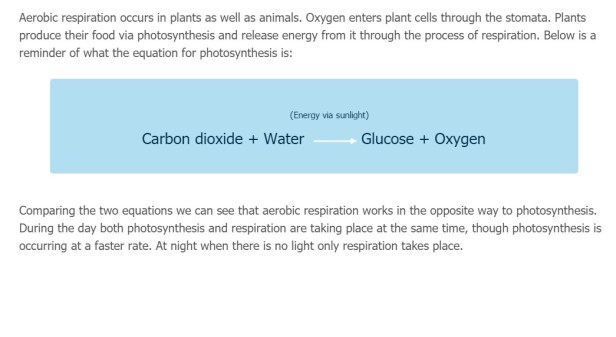
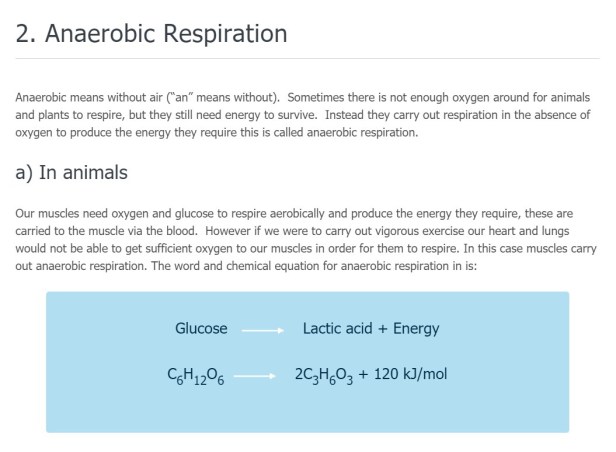
As you can see anaerobic respiration is not as efficient as aerobic and only a small amount of energy is released.
This is because glucose can only be partially broken down. As well as this inefficiency a poisonous chemical, lactic acid is also produced, if this builds up in the body it stops the muscles from working and causes a cramp. To rid the body of lactic acid oxygen is needed, the amount of oxygen required to break down the lactic acid is referred to as the oxygen debt.
 Educational News Ghana