
Reproduction and Growth
All living organisms reproduce. Reproduction is the process by which organisms generate new individuals of the same kind ensuring continuation of the species.
There are two different types of reproduction:
1️⃣Asexual
2️⃣Sexual
They both lead to the formation of new individuals, however they achieve this by different ways.
Asexual Reproduction
In this type of reproduction only one individual is needed for it to take place. This method produces offspring that are identical to the parent. The offspring have exactly the same genes as their parents and are thus called clones.
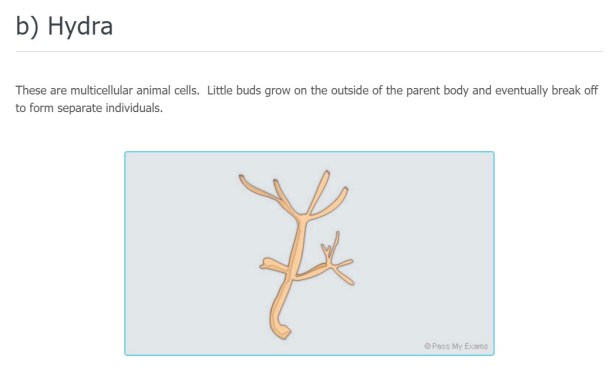
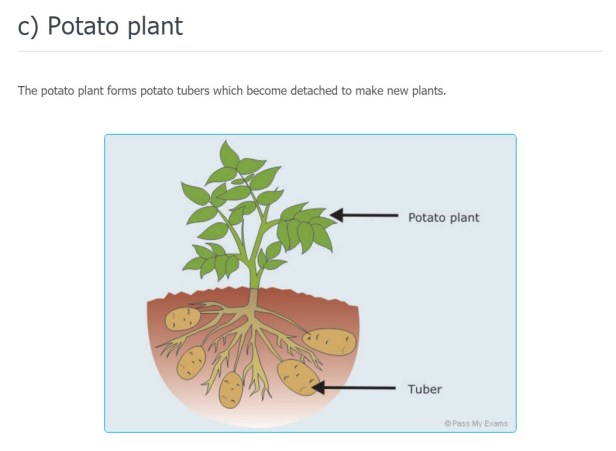
Some examples of asexual reproduction are:
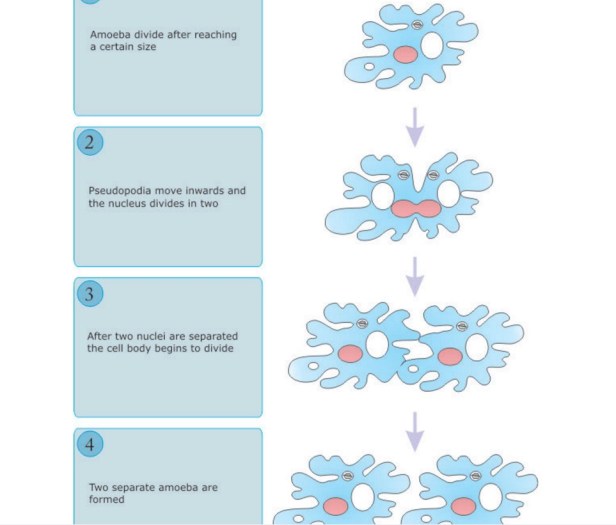
a) Amoeba
These unicellular organisms reproduce by one cell dividing into two.
Sexual Reproduction
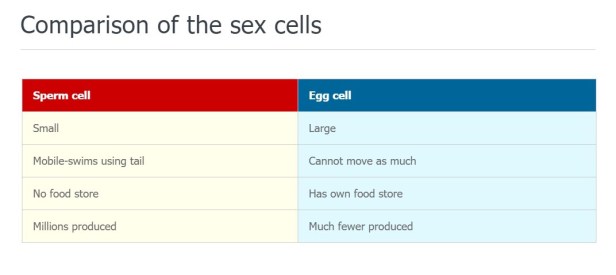
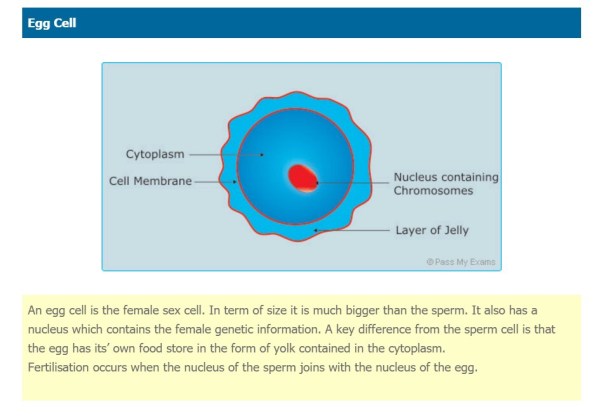
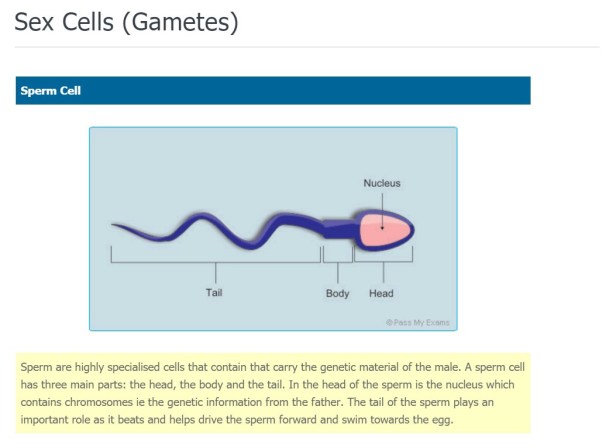
Sexual reproduction involves two parents. The parents have sex organs which produce sex cells or gametes. The male gamete is sperm and the female gamete is the egg.
Sexual reproduction is the fusion or fertilisation of the two male and female gametes to produce a fertilised egg or zygote
The fertilised egg goes on to divide many times to form a ball of cells. This grows into an embryo which eventually develops into a separate individual.
 Educational News Ghana